Aluminium Casement Windows in Malaysia: The Complete Buyer's Guide
Quick Answer
Aluminium casement windows in Malaysia cost RM 80–180 per sq ft installed, depending on profile grade and glass specification. They open outward on side hinges (max 90°), providing full ventilation and easy cleaning. Standard sizes are 600×900mm to 1200×1500mm. JWE Premier fabricates custom heritage sizes for older Malaysian landed properties that don't fit standard off-the-shelf dimensions.
Everything you need to choose, specify, and install aluminium casement windows that survive Malaysian monsoon conditions — from a 30-year fabricator who has installed them in thousands of homes, F&B outlets, and commercial buildings across KL and Selangor.
What is an Aluminium Casement Window?
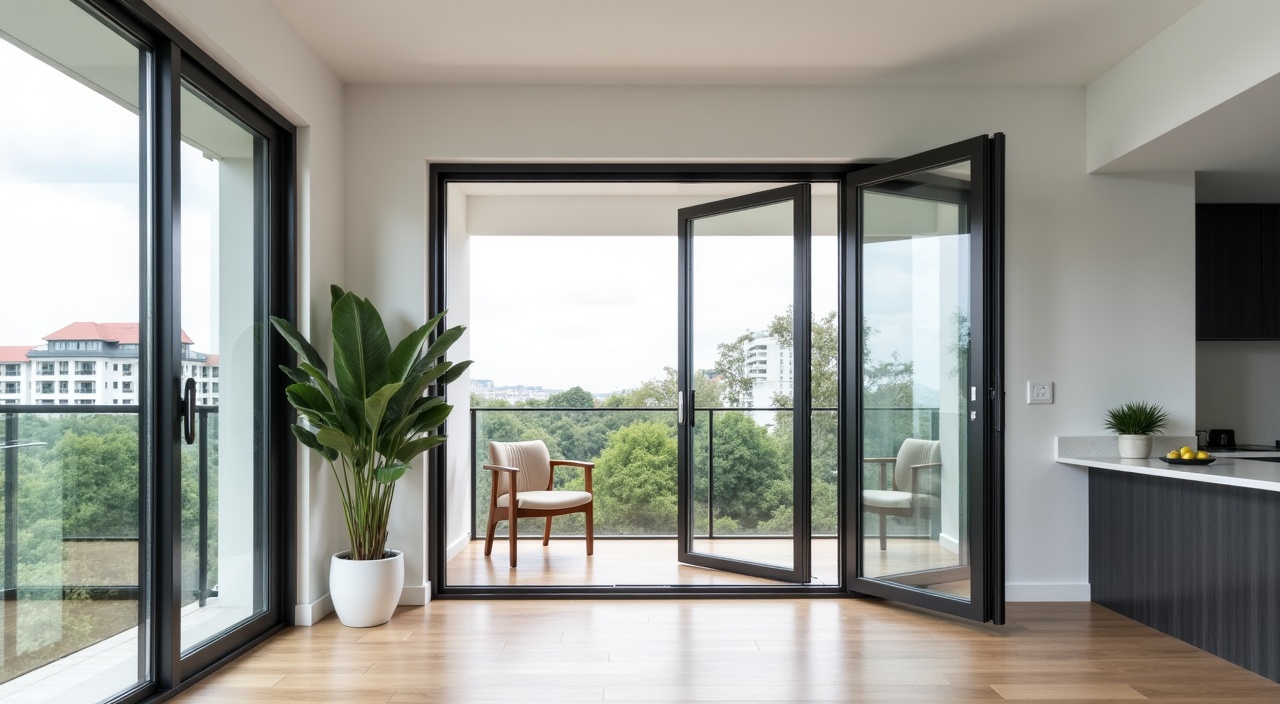
An aluminium casement window is a window with one or more side-hinged or top-hinged sashes that open outward (or inward) using a crank handle or friction stay. Unlike sliding windows, the entire sash rotates on a hinge to provide full ventilation, full glass area, and a tight weather seal when closed. They are the most common window type for Malaysian homes, F&B outlets, and commercial buildings because they deliver maximum ventilation in tropical conditions and resist monsoon-driven rain when properly fabricated.
JWE Premier Engineering has fabricated aluminium casement windows in KL since 1994. The systems we install in 2026 are substantially different from the basic residential-grade windows found in most Malaysian housing developments — commercial-grade extrusions, stainless-steel friction stays rated for 30,000+ cycles, and weather-sealed glazing beads that meet the wind and water resistance standards of MS 832 and SS 212.
Types of Aluminium Casement Windows
Three configuration types cover virtually every Malaysian application. Choosing the right one depends on the opening location, ventilation pattern, and whether insect screening is required.
Side-Hung Casement
The most common type. The sash hinges on one vertical edge and opens outward like a door. Provides full ventilation, easy egress in an emergency, and excellent weather sealing when closed. Best for bedrooms, living rooms, and office spaces.
Top-Hung Casement
The sash hinges on the top horizontal edge and opens outward from the bottom. Produces a rain-shedding geometry — even in heavy monsoon rain, drops continue down the closed glass rather than blowing into the room. Ideal for kitchens, bathrooms, and coastal properties.
Bottom-Hung / Hopper
The sash hinges on the bottom edge and opens inward from the top. Used for high installations where you want ventilation but cannot reach the handle easily. Common in commercial buildings, hospitals, and stairwells.
Aluminium Profiles and Section Depth
The aluminium profile — the extruded shape that forms the window frame and sash — is the single biggest determinant of casement window quality and price. Malaysian fabricators offer three depth classes:
- Residential 38–42mm series: Light-gauge extrusions intended for low-rise housing. Thin walls (1.0–1.2mm) that flex under wind load and deform under heat. Avoid for large openings or coastal/windy sites.
- Commercial 50–55mm series: The grade JWE Premier specifies for typical Malaysian construction. Wall thickness 1.4–1.8mm, structural ribs for sash rigidity, and glazing bead geometries that accept 6mm–12mm glass. Suitable for windows up to 1.5m wide.
- Heavy commercial 60–75mm series: For high-rise, large-format, or acoustic-rated applications. Wall thickness 2.0mm+, thermal break options, and glazing capabilities up to 24mm insulated glass units.
A frequent mistake in the Malaysian market is using residential-grade profiles for commercial F&B and shopfront applications where the openings are larger and the traffic is heavier. The frames deflect, the sashes drop, and the windows lose their weather seal within a few years. JWE Premier's casement range covers all three grades with certified test data.
Glass Options for Malaysian Climate
Casement windows can be glazed with a wide range of glass types. The right choice depends on location (coastal, urban, high-rise), orientation (east/west sun exposure), acoustics (traffic, KTM line proximity), and safety requirements.
Clear Float Glass (5–6mm)
Standard option for residential windows. Affordable, allows maximum light, but offers no heat rejection and no acoustic benefit.
Tinted / Reflective Glass (6mm)
Bronze, grey, or green tinted glass reduces solar heat gain by 30–50%. Common for west-facing windows in Malaysian offices and high-rise residential.
Low-E Glass (6–8mm)
Low-emissivity coating reflects radiant heat while passing visible light. Reduces cooling load by 15–25%. Best ROI for air-conditioned spaces.
Toughened / Tempered Glass (6–12mm)
Mandatory for windows below 800mm from floor level, doors, and adjacent to walkways. 4–5x stronger than float, breaks into small granular pieces when shattered.
Laminated Glass (6.38–12.76mm)
Two glass panes bonded with a PVB or SGP interlayer. Holds together when broken (security), blocks 99% of UV, and provides acoustic damping up to 35dB.
Pricing in Malaysia (2026)
Aluminium casement window prices vary dramatically based on profile grade, glass specification, opening size, hardware quality, and finish. The table below reflects typical 2026 market rates in the Klang Valley for complete supply-and-install:
| Specification | Profile Grade | Glass | Indicative Price (per sq ft) |
|---|---|---|---|
| Budget residential | 38–42mm | 5mm clear | RM 35–50 |
| Standard residential | 42–50mm | 5–6mm tinted | RM 50–80 |
| Commercial F&B | 50–55mm | 6mm tinted/toughened | RM 80–120 |
| High-rise commercial | 55–65mm thermal break | 8–10mm Low-E insulated | RM 130–200 |
These are indicative rates. For an accurate quote based on your specific opening sizes, glass specification, and quantity, request a site visit or send us your BOQ.
Installation Standards
Even the best aluminium casement window will fail within a year if installed incorrectly. JWE Premier follows a strict installation protocol based on three decades of rectification work in KL and Selangor:
- Subframe first: Aluminium subframes are installed during the brickwork stage with proper damp-proof course, allowing the plaster and tiling to be completed without damaging the window frames.
- Mechanical fixing, not chemical: Window frames are fixed with masonry anchors or direct-fixing screws at maximum 600mm centres. No reliance on foam or silicone for structural integrity.
- Three-stage sealing: Backing rod, neutral-cure silicone, and weatherproof trim applied in sequence. All joints sealed against wind-driven rain.
- Site tolerances: Opening diagonals checked to within 3mm. Frames shimmed plumb and level before final fixing.
- Commissioning: Every sash tested for smooth operation, weather seal compression, and hardware function before handover.
Maintenance and Lifespan
A well-fabricated aluminium casement window from JWE Premier lasts 25+ years with minimal maintenance. The two failure modes to watch are seal degradation and hardware wear.
We recommend a brief visual inspection every 6 months and a full service every 12–24 months. Our maintenance and repair service covers friction stay replacement, handle servicing, weatherstrip renewal, and touch-up painting. For commercial F&B operators across multiple branches, we offer scheduled maintenance contracts covering all your aluminium assets.
Frequently Asked Questions
What are the benefits of aluminium casement windows?
Aluminium casement windows offer superior durability, slim frames for larger glass panes, excellent weather resistance, and modern aesthetics. They provide better ventilation control through adjustable hinges and require minimal maintenance compared to wood alternatives. The slim sightlines also maximize natural light compared to uPVC or timber windows.
How much do aluminium casement windows cost in Malaysia?
Budget residential casement windows start around RM 35–50 per sq ft. Commercial-grade systems with 6mm tinted or toughened glass range RM 80–120 per sq ft. High-rise thermal-break systems with Low-E insulated glass run RM 130–200 per sq ft. See the pricing table above for full breakdown.
Side-hung vs top-hung: which is better for Malaysian conditions?
Both work in Malaysia. Top-hung is preferred for bathrooms, kitchens, and rainy exposures because the geometry sheds water even when open. Side-hung is preferred for bedrooms and living rooms because it provides full ventilation and is easier to operate with one hand. Many installations use a combination.
What is the difference between aluminium and uPVC windows?
Aluminium windows feature slimmer frames allowing more natural light, superior durability for coastal areas, and better recyclability. uPVC offers better thermal insulation at lower cost. Aluminium suits modern designs and high-traffic commercial use; uPVC suits budget-conscious residential applications.
Do you fabricate casement windows in-house?
Yes. JWE Premier operates an 8,000 sq ft fabrication workshop in Taman Danau Desa, KL. Every casement window is cut, machined, assembled, glazed, and quality-checked locally before site delivery. We do not use sub-contracted fabrication.
Ready to Specify Casement Windows?
Send us your drawings, BOQ, or rough opening dimensions. We'll come back with a technical recommendation and a written quote within 48 hours.
Related Resources
All Aluminium Windows
Explore our full range of casement, sliding, and performance windows.
Casement Windows Range
View technical specifications and configurations.
Window Maintenance & Repair
Keep your aluminium windows in peak condition.
Aluminium Doors & Windows in KL & Selangor
Service area coverage across the Klang Valley.