
Glass Rectification Services
Expert diagnosis and correction of sagging glass doors, misaligned panels, failed structural silicone, and leaking glazing systems — saving clients from costly tear-down and rebuild.
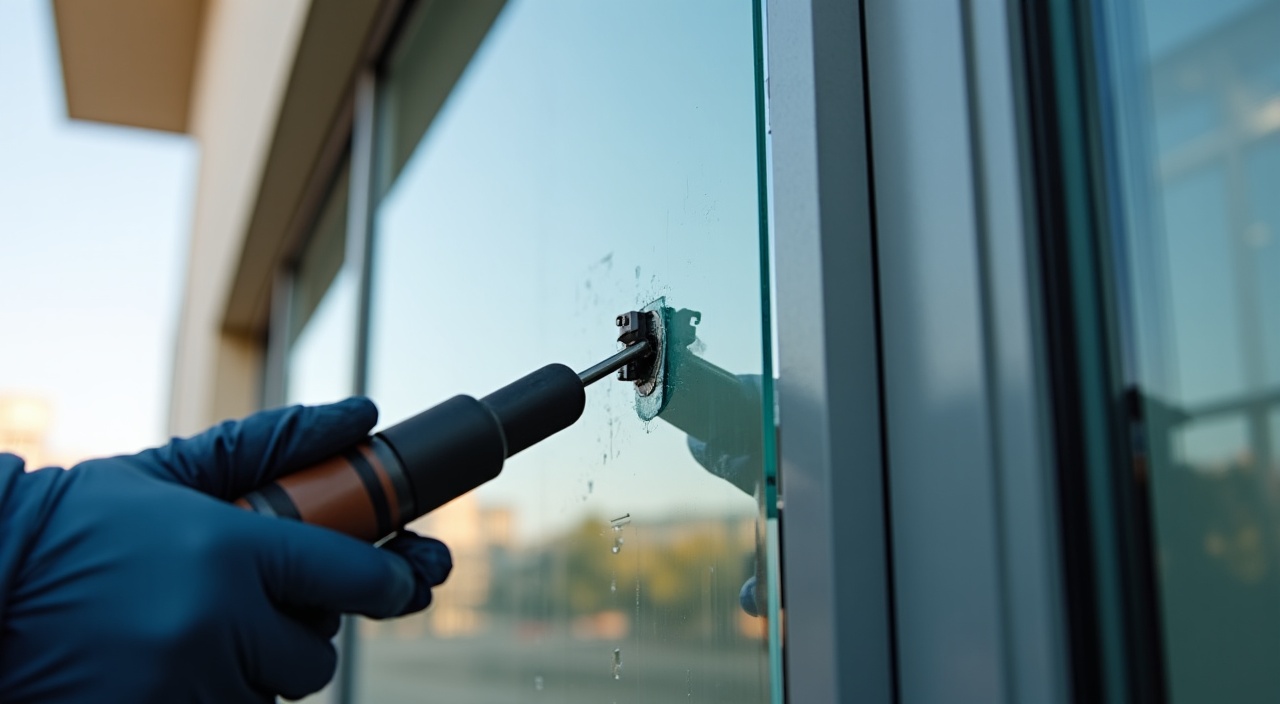
Rectifying the Problem — Not Rebuilding Everything
Glass systems degrade under the combination of structural load, thermal cycling, and hardware wear. A sagging frameless glass door places shear stress on its patch fittings that can cause sudden catastrophic failure. A misaligned shopfront panel allows water to bypass the glazing compound during monsoon rain. Degraded structural silicone loses its adhesion and flexibility, creating gaps that admit water and wind. In most cases, the glass itself is undamaged — the problem lies in the framing, hardware, or sealant. JWE's glass rectification service corrects the root cause without the cost and disruption of a full reinstallation.
Our technicians are experienced fabricators — not just maintenance workers. We understand how glass systems are built, which means we can diagnose where a system has failed and what the correct correction is. We carry the hardware, sealants, and adjustment tools needed to complete most rectifications in a single visit. For commercial properties on maintenance contracts, glass rectification is included in our standard service scope with same-day confirmation and 2 working day completion targets.
Root Cause Diagnosis
We diagnose where the system has failed — hardware, sealant, or framing — before recommending the minimum intervention required to restore performance and safety.
Hardware Adjustment & Shimming
Re-torquing patch fittings, shimming U-channels, adjusting floor spring pivot points, and frame alignment correction to restore the glass to its intended geometry.
Structural Silicone Remediation
Full mechanical removal of degraded structural sealant. Substrate preparation and re-application of marine-grade structural weatherproofing silicone to restore the watertight and wind-resistant seal.
Why Rectify First
Save vs. Rebuild
In the majority of rectification cases JWE handles, the glass is structurally sound. The failure is in hardware, sealant, or frame alignment. Correct diagnosis saves clients from unnecessary tear-down and rebuilding costs.
Book a Site Assessment
Describe the problem and we will arrange a site visit to diagnose the root cause before committing to any remediation scope.
Request AssessmentOr call 012-2640888
Response Commitments
- Contract call-inSame day confirm
- Ad-hoc urgent24-hour response
- Completion2–5 working days
- Quotation3 working days
Frequently Asked Questions
How do I know if my glass installation needs rectification or full replacement?
The key distinction is whether the glass panel itself is damaged (cracked, chipped, or thermally stressed) versus whether the framing, hardware, or sealant has failed. If the glass is intact but the door is sagging, leaking, or misaligned, rectification is almost always possible and significantly more cost-effective than full replacement. A JWE site assessment will give you a clear recommendation with no obligation.
Can a leaking glass shopfront be fixed without removing the glass?
In many cases, yes. Water ingress around shopfront glazing is typically caused by failed perimeter sealant or degraded glazing tape rather than the glass itself. We mechanically remove the old sealant, prepare the joint properly, and re-apply structural sealant without disturbing the glass panel. If the glass is still in specification, this approach restores waterproofing at a fraction of the cost of full replacement.
What is structural silicone and why does it fail?
Structural silicone sealant is a specially formulated adhesive and sealant used to bond glass panels to aluminium frames and to seal joints against water and wind. Standard silicone degrades in UV exposure and tropical heat, losing its elasticity and adhesion over 5 to 10 years. When it fails, joints open up during thermal expansion allowing water ingress. Only proper structural-grade silicone — mechanically applied to a prepared substrate — should be used in rectification work.