
Fixed Panel Glazing
Supply and installation of oversized fixed glass panels for commercial storefronts, luxury car showrooms, residential viewing walls, and architectural feature facades — vacuum lifter handling, deflection calculation, and structural silicone pointing.
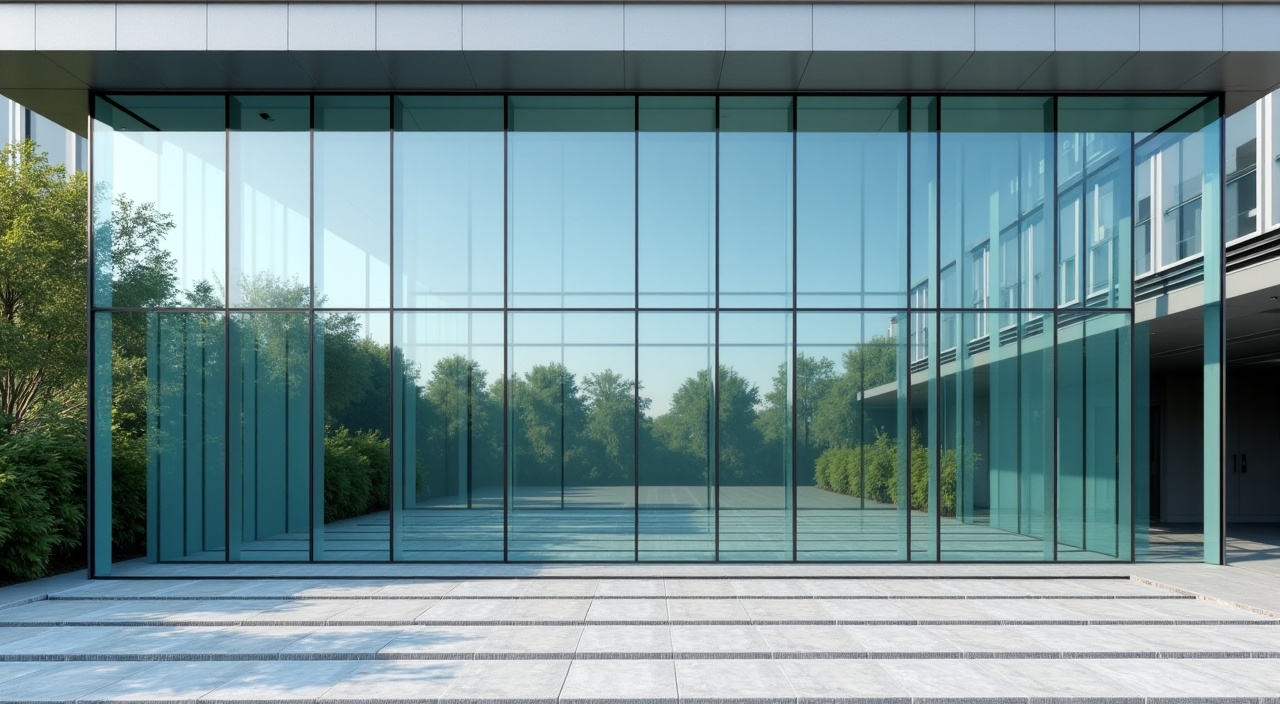
When Size Matters — Logistics, Engineering & Precision Pointing
Jumbo-format fixed glass panels — exceeding 3 metres in height or approaching 2 tonnes in weight — are the defining architectural element of luxury car showrooms, high-end retail facades, hotel lobbies, and contemporary residential viewing walls. A single uninterrupted glass panel of this scale creates a visual drama that no other material achieves: the interior and exterior merge seamlessly, the street becomes part of the interior composition, and natural light penetrates the entire depth of the space without the interruption of framing. But successfully installing glass at this scale requires complex logistics, engineering calculation, and installation precision that separates specialist glaziers from general contractors.
The challenges of large-format glass installation begin before the glass arrives on site. A panel weighing 400 kg cannot be moved by hand — it requires vacuum lifter equipment attached to a crane or specialised mini-crawler crane that can operate within the building's access constraints. The glass itself must be specified correctly: oversized panels deflect significantly under wind load, and the thickness required to maintain acceptable deflection limits is calculated from the panel's actual dimensions and wind pressure at installation height. Finally, the structural silicone butt-joints between adjacent panels must be applied to exacting width-to-depth ratios — too narrow and the joint fails under thermal movement. JWE brings the equipment, engineering methodology, and installation discipline that large-format glazing requires.
Specialist Vacuum Handling
Panels weighing hundreds of kilograms are handled with vacuum lifter equipment attached to cranes or mini-crawler cranes operating within site access constraints. The handling methodology is planned before the panel arrives — glass is never manhandled at large format.
Deflection Calculation
Oversized glass panels flex significantly under wind load. We calculate the minimum glass thickness required to maintain deflection within acceptable limits at the installation height and wind exposure. Specifying glass by appearance alone without this calculation risks visible bowing and long-term edge seal failure.
Structural Silicone Pointing
Butt-joints between adjacent glass panels are filled with structural silicone applied to correct width-to-depth ratios. A joint that is too narrow cannot accommodate thermal movement and fails early. Our pointing teams work to manufacturer specifications for a flawless, weather-tight, long-lasting finish.
Fabricator Access
Direct Processor Relationships
As a glass fabricator with direct processor relationships, JWE can source oversized panels more efficiently than contractors who order through distributors. For large-format glass with specific tint, Low-E coating, or lamination specifications, direct access to fabrication reduces both lead time and cost.
Get a Fixed Glass Quote
Share your panel dimensions, building height, and glass specification preferences. We calculate the appropriate thickness and provide a quotation including handling and installation methodology.
Request a QuoteOr call 012-2640888
Common Applications
- Luxury car showroom facades
- High-end retail storefronts
- Residential bungalow viewing walls
- Hotel lobby glazing
- Commercial atrium glazing
Frequently Asked Questions
What is the maximum size glass panel that can be installed?
The practical upper limit is determined by the processing capabilities of the glass fabricator (for tempering and laminating), transport dimensions, and handling equipment capacity on site. Standard tempering furnaces process panels up to approximately 2.4m x 5m. Larger panels can be sourced from specialist manufacturers. The more common constraint is site access — the route from the delivery vehicle to the installation point must accommodate the full panel size. We assess access constraints as part of pre-installation planning for every large-format project.
What is structural silicone and why does it matter for glass facades?
Structural silicone is a sealant specifically formulated for bonding and sealing glass to metal framing and glass-to-glass joints in facades. Unlike standard sanitary silicone, structural silicone maintains adhesion and flexibility over decades of thermal cycling, UV exposure, and wind movement. The joint geometry — width and depth — is critical: structural silicone joints are designed to a specific aspect ratio so the silicone can stretch and compress with thermal movement without debonding. Our pointing teams apply structural silicone to manufacturer specifications on every large-format installation.
Should large fixed glass panels be tempered or laminated?
For ground-level storefronts not at risk of glass falling on people, tempered glass is the standard specification — it provides good impact resistance and safe breakage behaviour. For panels installed at height, in overhead locations, or where a broken panel falling would be hazardous, laminated glass is required. For maximum safety and performance, laminated tempered glass provides both the impact resistance of tempered glass and the post-break retention of laminated glass. We advise on the appropriate specification for your application and building type.