Lift Car Glass
Custom glass cladding for panoramic observation lifts and interior passenger cabin upgrades — weight-limited specification, vibration-resistant adhesive systems, back-painted glass modernisation, and full coordination with lift maintenance contractors and building management.
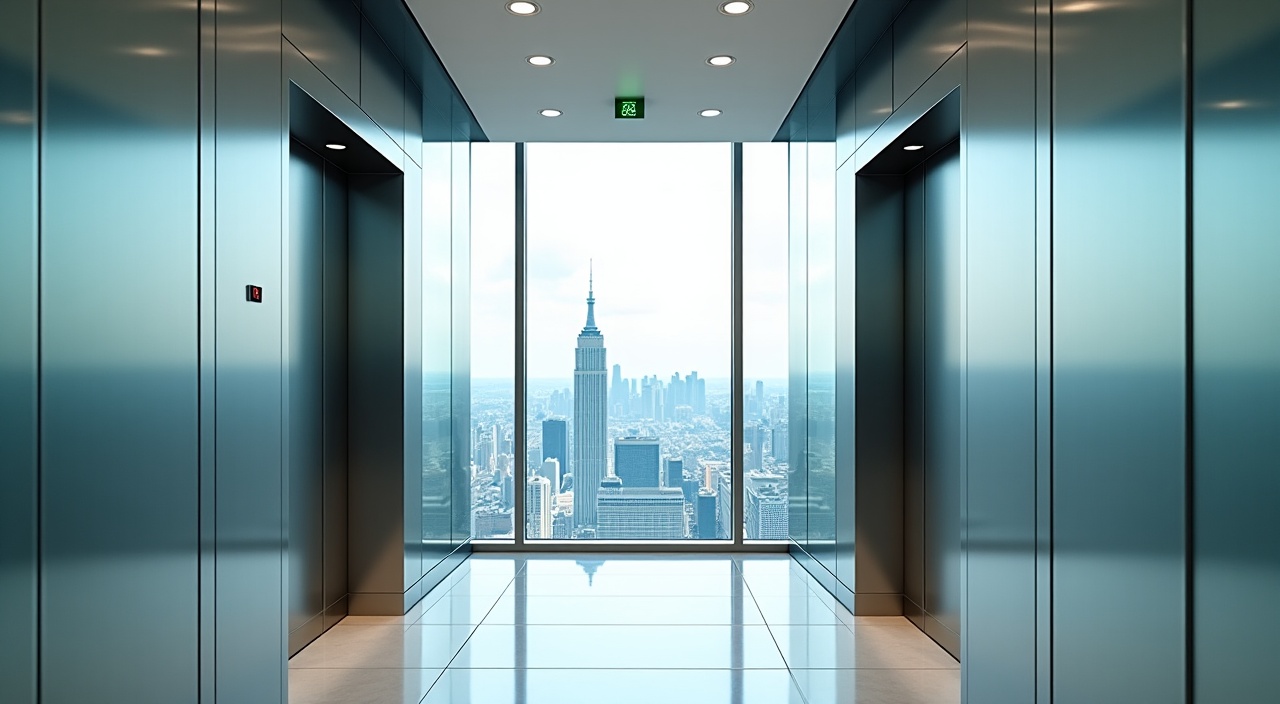
Lift Car Glass — Where Weight Tolerances and Safety Codes Govern Everything
Lift car glass is one of the most constrained glass installation categories in commercial construction. Every lift car has a certified rated load — the total weight the lift can carry safely, including the car itself. Any modification to the lift car interior, including the addition of glass cladding panels, reduces the available payload capacity and must be approved by the lift maintenance contractor and, in Malaysia, documented with DOSH (Department of Occupational Safety and Health). Glass installation in a lift car that adds excessive unaccounted weight to the car is a safety and compliance issue that building management cannot ignore.
JWE has specific experience in lift car glass installations — both for new panoramic observation lifts where the external shaft glazing is part of the architectural design, and for interior cabin refurbishments where existing stainless steel or laminate panels are replaced with glass or back-painted glass to modernise the interior aesthetic. For interior refurbishments, we calculate the weight of each glass panel, provide documentation to the lift contractor confirming the total added weight, and specify glass thicknesses that balance visual appearance with the minimum additional weight. Our adhesive systems for lift car glass use vibration-resistant formulations — a lift car vibrates continuously in normal operation, and standard construction adhesives are not appropriate for this environment. We also coordinate shutdown windows with building management to minimise service disruption during installation.
Weight-Limited Specification
Every lift car glass panel is weighed and documented. Total added weight is calculated against the lift's certified payload tolerance and provided to the lift maintenance contractor for compliance documentation. Glass thickness is specified to minimise weight while maintaining the required visual and structural performance.
Vibration-Resistant Adhesive
Lift cars vibrate continuously during normal operation. We use vibration-resistant adhesive formulations specifically suitable for dynamic environments — not standard construction silicone that will fatigue and debond over months of constant mechanical vibration. Panel fixing is also supplemented with concealed mechanical clips where panel weight demands it.
Back-Painted Glass Modernisation
Back-painted glass (glass with a painted reverse face visible through the glass) provides a premium, seamless surface in any RAL colour that is dramatically superior to laminate or vinyl-wrapped panels in a lift interior. We supply and install back-painted glass panels as lift car interior upgrades, providing the colour samples and finish quality that building management requires for approval.
Coordination Experience
Building Management & Lift Contractor Interface
Lift car glass installations require coordinating shutdown windows with building management, technical documentation for the lift maintenance contractor, and installation within the car during planned out-of-service periods. JWE has specific experience managing these logistics and can handle all technical liaison on your behalf.
Get a Lift Glass Quote
Share your lift car internal dimensions, current interior material, desired glass finish (clear, frosted, back-painted colour), and the lift contractor contact. We handle the weight documentation and coordinate the installation shutdown.
Request a QuoteOr call 012-2640888
Lift Glass Applications
- Interior cabin wall cladding
- Back-painted glass panels
- Interior cabin mirror panels
- Panoramic shaft glazing
- Frosted privacy glass panels
- Lobby-facing door glass
Frequently Asked Questions
Does adding glass panels to a lift car require regulatory approval?
Any modification that adds weight to the lift car must be reviewed by the lift maintenance contractor and documented for compliance with the lift certification under DOSH regulations in Malaysia. The lift contractor will assess whether the additional weight of the glass cladding falls within the allowable modification tolerance for the lift's rated capacity. JWE provides a detailed weight schedule for all panels to be installed, enabling the lift contractor to perform their compliance assessment. We do not install lift car glass without confirming this process has been completed — it is a safety requirement, not a formality.
How long does a lift car glass installation take?
A typical lift car interior refurbishment with back-painted or clear glass panels can be completed in a single overnight or weekend shutdown — normally 8–16 hours depending on the number of panels and the complexity of the car interior. Panels are pre-cut and pre-fitted off-site before the shutdown to minimise the time the lift is out of service. The shutdown period is agreed with building management in advance, and we work within the approved window. For buildings with multiple lifts, we can stagger installation across multiple shutdowns to ensure service continuity.
What is back-painted glass and why is it used in lift cars?
Back-painted glass is clear or low-iron float glass with a painted reverse face. The paint is visible through the glass, creating a surface with the reflective quality of glass and the colour uniformity of paint — without visible joins, laminate texture, or the degradation that vinyl and laminate panels show in high-traffic lift environments. Any RAL colour can be specified, allowing a perfect match to the building lobby colour scheme or the client's brand palette. The glass surface is easy to clean, does not scratch like painted metal panels, and does not delaminate or bubble like vinyl wrapping. It represents a significant and durable upgrade over standard lift interior finishes.