
Wet Works & Waterproofing
Structural hacking, concrete casting, commercial tiling, plastering, and waterproofing membrane application for renovation projects across F&B, commercial, and residential sectors — kitchen drainage channels, wet area waterproofing, and leak remediation.
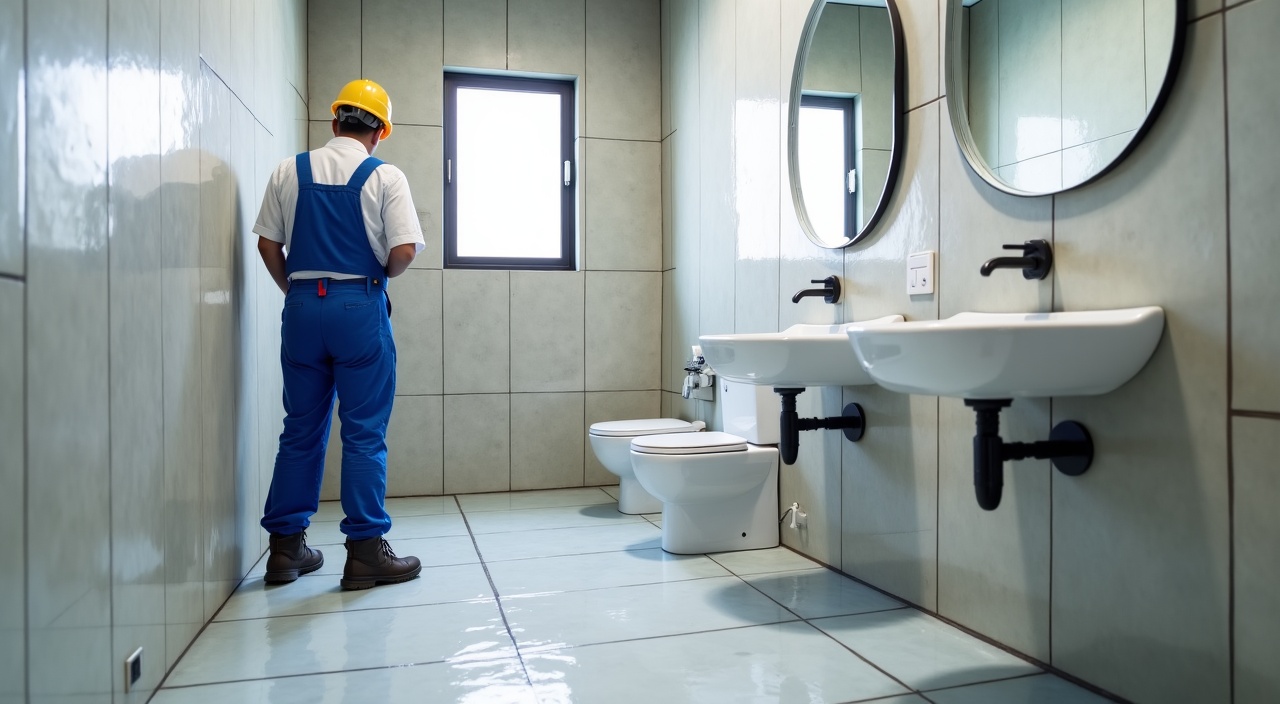
Wet Works Done Wrong Is the Most Expensive Renovation Mistake
Wet works — the concrete, screed, waterproofing, and drainage works that underlie every renovation — are invisible in the finished space. Tiles cover the floor screed, plaster covers the wall substrate, and the waterproofing membrane is concealed beneath surface finishes. This invisibility creates a risk: wet works executed poorly show no visible failure for months or even years after completion, but when they do fail — when a kitchen floor begins pooling water because the drainage gradient was wrong, when a bathroom tiles begins lifting because the waterproofing was inadequate, when a ceiling above begins to stain because the slab above was not properly waterproofed — the remediation requires stripping out the surface finishes above, fixing the underlying substrate, and reinstating the finishes. The cost of fixing wet works failures is always many times the cost of executing them correctly the first time.
JWE performs wet works as an integrated part of our renovation scope rather than subcontracting to a separate wet works contractor — an approach that ensures the works are coordinated with the downstream trades (tiling, aluminium installation, glass works) rather than handed over as a separate package that must be checked by another team. Our wet works scope includes structural hacking for drainage channel and floor drain installation, concrete casting and screed for floor level correction and drainage gradient formation, waterproofing membrane application (cementitious or polymer-modified systems depending on substrate and water exposure), plaster and render works, and commercial tiling for kitchens and wet areas. For existing buildings with active water leaks from above slabs, we perform leak source diagnosis before proposing remediation — addressing the actual source of water entry rather than treating the symptom at ceiling level.
Drainage Channel & Gradient Works
Commercial kitchen drainage requires hacking the existing slab to install drainage channels at the correct invert level, then casting new screed to form the falls that direct water to the drains. Floor gradient in a commercial kitchen is not cosmetic — inadequate falls leave standing water that creates hygiene and slip hazards and accelerates tile adhesive failure.
Waterproofing Membrane Application
Waterproofing membranes are applied to wet area floors and walls before tiling — this is a non-negotiable step that many renovation contractors skip to save cost and time. We apply cementitious or polymer-modified waterproofing systems to the substrate, allow full curing, and perform a water test before tiling commences. A failed water test before tiling is a much cheaper outcome than a leak after.
Leak Source Diagnosis
For existing buildings with active water ingress, we perform systematic diagnosis to locate the actual source of water entry before proposing remediation. Water visible at ceiling level often enters at a different point and travels before appearing — patching at the visible wet point without diagnosing the entry path is the cause of repeated repair failures. We identify the source, then fix it.
Integrated Delivery
Wet Works as Part of the Renovation Package
JWE performs wet works as part of the full renovation scope rather than subcontracting it separately. This integration ensures that drainage channel positions are coordinated with kitchen equipment layouts, waterproofing coverage is checked before tiling, and screed gradients are verified before tiles are laid. The accountability for the full renovation rests with one contractor.
Get a Wet Works Quote
Share your kitchen or wet area floor plan, the scope of hacking and drainage works required, and whether waterproofing renewal is needed for an existing wet area. We assess on site before quoting.
Request a QuoteOr call 012-2640888
Wet Works Scope
- Structural hacking & chasing
- Drainage channel installation
- Screed & gradient formation
- Waterproofing membrane
- Commercial tiling
- Plaster & render works
Frequently Asked Questions
What is the difference between cementitious and polymer waterproofing?
Cementitious waterproofing is a rigid system applied as a cementite slurry that bonds to the substrate — it is durable and suitable for wet areas that do not experience significant structural movement. Polymer-modified waterproofing adds flexibility to the cementitious base, allowing the membrane to bridge minor cracks in the substrate without splitting — it is more appropriate for areas with thermal cycling or minor structural movement. For commercial kitchen floors in Malaysia where temperature differentials between the cool chain and ambient air are significant, polymer-modified systems provide better long-term performance. We specify the appropriate system for the application and substrate condition.
How long must waterproofing cure before tiling can start?
Cementitious waterproofing typically requires 24–48 hours of curing before tiling can commence, depending on ambient temperature and humidity. More importantly, a water ponding test should be performed after curing — the area is filled with water and left for 24–48 hours while inspecting the underside of the slab (from the floor below) for any signs of moisture ingress. Only after a passed water test do we proceed to tiling. This adds 2–3 days to the programme but is the only way to confirm the waterproofing is working before it is concealed by tiles — which is the whole point of waterproofing.
Can waterproofing be renewed without replacing the tiles?
Waterproofing is applied beneath the tiles — it is not possible to renew the waterproofing membrane without removing the tiles, stripping the old waterproofing, applying a new membrane, and reinstating the tiles. There are surface-applied waterproofing products that can be applied over existing tiles — these can be useful as temporary measures or for minor seepage at grout joints — but they do not replace a properly applied waterproofing membrane. Where tiles are intact and well-bonded, we sometimes salvage them during the stripping process and reinstate the same tiles after waterproofing renewal, saving the client the cost of new tiles if the existing tiles are acceptable.