
Commercial Waterproofing
JWE applies waterproofing membranes to commercial kitchen floors, wet areas, toilet spaces, and roof slabs as part of renovation and fit-out projects. Correct membrane selection, application to prepared substrate, water testing before tiling — delivered in sequence with drainage, screed, and tiling works.
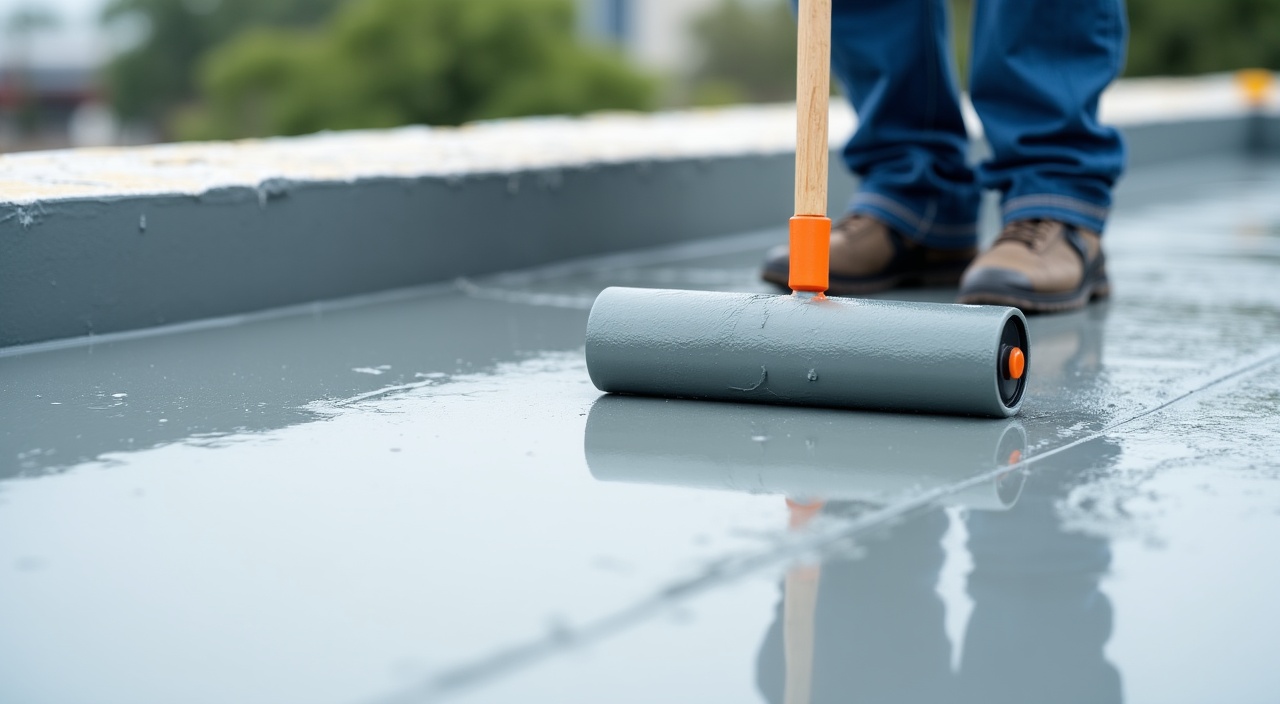
Waterproofing Is What Happens Before the Tiles — and After It Fails, Tiles Must Come Off
Waterproofing failure in a commercial wet area is not a minor defect. In a restaurant kitchen, water migrating through the floor slab reaches the tenant below, creating a building management dispute, a tenant relations problem, and potentially a claim that the landlord holds the outlet responsible for. In a shopping mall, a leaking kitchen floor is a major liability issue. In a toilet or wet area, water migration behind tiles causes tile adhesive failure — tiles begin to tent, crack, and eventually detach. The cost of diagnosing and rectifying this failure means hacking off all the tiles, stripping back to the substrate, reapplying the waterproofing correctly, and retiling. It is one of the most expensive rectification works on any commercial property.
JWE applies waterproofing membranes as a sequenced element of commercial renovation and fit-out projects — after drainage is in and the floor gradient is established, before tiling begins. The sequence matters: the membrane must go over the correctly prepared substrate with the drainage channels already installed and the gradients set. When waterproofing is applied in the correct sequence to the correct substrate, it performs for the life of the tiled finish above it. When it is applied over incorrect substrate or without water testing before tiling, it fails — and the tiles must come off to fix it.
Cementitious Membrane Application
Cementitious waterproofing is the standard specification for commercial kitchen floors, wet room floors, and toilet slabs. Applied in two or three coats to a properly prepared concrete or sand-cement screed substrate, cementitious membrane bonds to the substrate and provides a seamless, tile-adhesive-compatible waterproofing layer. JWE applies cementitious membrane in the correct coat thickness and allows full curing before water testing.
Polymer & Crystalline Membranes
For applications requiring higher flexibility or where substrate movement is expected — roof slabs, planter areas, or structures subject to thermal expansion — polymer-modified or crystalline waterproofing systems provide better crack-bridging capability than standard cementitious membrane. JWE selects the membrane system appropriate to the substrate condition and application, not the cheapest option that passes the initial water test.
Water Testing Before Tiling
After membrane application and curing, JWE conducts a water test before any tiling proceeds — flooding the waterproofed area and holding the water for 24 hours, checking the soffit below for any seepage. If the water test passes, tiling proceeds. If it fails, the defect is found and repaired before tiling closes over it. This test is not optional — it is the only way to verify membrane integrity before it is permanently inaccessible under tiles.
Waterproofing Renewal for Existing Wet Areas
For existing commercial premises where the waterproofing has failed — evidenced by water stains on the soffit below, tented tiles, or recurring leaks despite grout and sealant repairs — JWE conducts waterproofing renewal. This requires hacking off the existing tiles and screed to the bare substrate, reapplying the correct membrane system, water testing, and retiling. It is the only permanent solution once the existing membrane has failed.
Common Questions
How long must the waterproofing membrane cure before tiling?
Cementitious membranes typically require 24-72 hours between coats and a minimum of 48-72 hours after the final coat before water testing. Polymer membranes have varying cure requirements depending on the system and ambient conditions. In Malaysia's climate, humidity affects cure rates — JWE follows the manufacturer's cure schedule for the specific membrane product used, not a compressed timeline that compromises the cure.
Can the waterproofing be done without replacing all the existing tiles?
Only if the existing tiles are intact, well-bonded, and the leakage is confirmed to be from a specific joint, grout failure, or penetration point rather than membrane failure across the slab. JWE assesses the extent of the failure first — if it is localised, a localised repair may be possible. If the membrane has failed across the floor, full tile removal and membrane renewal is the only permanent solution. Surface sealant over failing membrane does not work.
Does the waterproofing go up the walls as well as the floor?
Yes — for commercial kitchens and wet rooms, the membrane is turned up the wall to a minimum of 200mm above the floor finish level, or to the full height of the wet area where splash exposure is high. This is particularly important at the junction between the floor and wall, which is the most common failure point if the membrane does not extend sufficiently up the wall face.
Sequenced Delivery
Drainage First. Waterproofing Second. Tiling Third.
JWE delivers waterproofing as part of a sequenced wet works scope — drainage channels installed and gradient set before membrane application, water test passed before tiling begins. This sequence is non-negotiable for waterproofing that performs long-term. We do not allow tiling to proceed before the water test is completed.
Waterproofing Enquiry
New fit-out or existing wet area failure? Describe the project and we will assess the scope and provide a quotation within 3 working days.
Request a QuoteOr call 012-2640888
Waterproofing Applications
- Commercial kitchen floors
- Toilet & wet room slabs
- Roof slab & planter areas
- Balcony & outdoor wet areas
- Waterproofing renewal & rectification
- Wall upstand application